
Since it acts as a serotonin reuptake inhibitor, users report that regular recreational use over a long period of time can cause withdrawal symptoms similar to those of antidepressant discontinuation syndrome. Dextromethorphan is considered less addictive than other common cough suppressants, such as the opiate codeine. In 2022, the US Food and Drug Administration (FDA) approved the combination dextromethorphan/bupropion to serve as a rapid-acting antidepressant in people with major depressive disorder. Dextromethorphan, sold under the brand name Robitussin among others, is a cough suppressant used in many cough and cold medicines. Parents and other loved ones should also be aware that young people may also be able to access a product that contains DXM, like Triple C, from a medicine cabinet, at home or elsewhere.
Medical Use Of DXM

You can learn more about possible symptoms in this article. In general, symptoms of allergic reaction can be mild or serious. But when taking it according to the instructions on the product label, side effects rarely occur. Dextromethorphan is available as an over-the-counter (OTC) drug. Or read the drug’s labeling information for the capsules and the suspension. To learn about other mild side effects, talk with your doctor or pharmacist.
What To Do If You Suspect Abuse
The psychological effects of DXM addiction refer to the emotional and cognitive changes or disturbances that occur in response to taking DXM substances. Physical effects of DXM addiction refer to the observable and measurable impacts on the body caused by the substance. Dextromethorphan (DXM) addiction has extensive short-term and long-term effects on physical, psychological, and behavioral health. Effects of DXM addiction refer to the physical, emotional, cognitive, and behavioral consequences or outcomes that result from the abuse of the substance. Individuals with a family history of substance abuse are at higher risk. Psychological symptoms refer to mental and emotional changes or disorders caused by DXM substance abuse, including altered perception, mood swings, and cognitive disturbances.
- Dextromethorphan (DXM) is a common ingredient found in many cough and cold remedies.
- It belongs to a group of medications called cough suppressants.
- But if you have severe symptoms, immediately call 911 or your local emergency number.
- The role of healthcare providers in preventing DXM addiction includes monitoring, education, providing alternatives, early intervention, support, and collaboration with pharmacists.
- Misuse of multisymptom cold medications, rather than use of a cough suppressant whose sole active ingredient is dextromethorphan, carries significant risk of fatality or serious illness.
The effects can last up to 6 hours. All three are called dissociative substances. The effects of DXM have been compared to PCP and the anesthetic ketamine. Illegal users may take 240 mg to 1,500 mg of DXM at a time. Some websites even tell users how to extract DXM from cough syrup. It had few, if any, side effects when used as directed.
What Are The Most Common Side Effects Of Dextromethorphan?
Survival rates from DXM overdose improve significantly with rapid medical intervention. The simultaneous use of other drugs, whether prescription or illicit, can create unpredictable and potentially lethal interactions. Individual metabolism variations can affect how quickly DXM is processed by the body, with some people being naturally slow metabolizers, putting them at higher risk for toxic accumulation.
A single case study suggests that the antidote to dextromethorphan overdose is naloxone, administered intravenously. A 1981 estimate by Gosselin suggested that the median lethal dose of dextromethorphan in humans may range between 50 and 500 mg/kg. Polistirex is a polymer that is bonded to the dextromethorphan that requires more time for the stomach to digest it, as it requires that an ion exchange reaction take place prior to its dissolution into the blood. Also, a marked difference is seen between dextromethorphan hydrobromide, contained in most cough suppressant preparations, and dextromethorphan polistirex, contained in the brand name preparation Delsym. Due to dextromethorphan's selective serotonin reuptake inhibitor-like action, the sudden cessation of recreational dosing in tolerant individuals can result in mental and physical withdrawal symptoms similar to the withdrawal from SSRIs. Some retailers also give out printed recommendations about the potential for abuse with the purchase of products containing dextromethorphan.
The Health Effects Of Long-Term Cough Syrup/DXM Use
If you believe you have a medical emergency, you should immediately call 911. If you have or suspect you may have a health problem, you should consult your health care provider. The information provided through Detoxrehabs.net should not be used for diagnosing or treating a health problem or disease. Prevention of DXM misuse requires a multi-faceted approach that includes access control, education, and awareness.
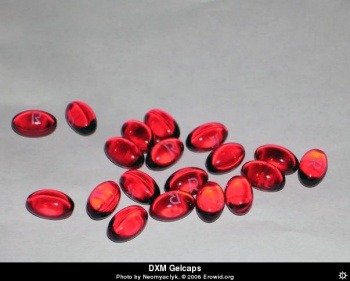
Effects Of DXM Addiction
This facts page looks at the non-medical use of DXM. Many antitussives are derived from opioids and can cause similar effects such as drowsiness.2 It’s classified as an antitussive, which is a medicine that suppresses coughing. The emergency physician contacted Poison Control and was given information on the toxicity and treatment of DXM poisoning. She was transported to an ER where she told an emergency physician that she was just trying to treat a cold.

Personal Tools
Find answers to some commonly asked questions about dextromethorphan. Do not take more dextromethorphan than recommended on the product label, as this can lead to harmful effects. This section describes dosages of dextromethorphan, an OTC medication.
DXM Health Risks

Even if DXM is taking a while to kick in, it’s never a good idea to take a second dose of DXM. They disconnect the mind from the body which can be both freeing and terrifying at the same time. In this article, we’ll cover the four different stages of effects (called plateaus), as well as some important safety information to consider before trying DXM. This compound is the active ingredient in over 150 different over-the-counter cough medicines in the United States. But other cough suppressants are available with a prescription from a doctor.
What Else Should I Know About Dextromethorphan?
Those who do this will typically take very high doses of the drug, and they may take it alongside alcohol or other substances. DXM overdoses are more likely when the drug is mixed with other substances such as alcohol. Misuse also increases the risk of dangerous side effects, overdose, and long-term health problems. Some people misuse DXM in high doses for its mind-altering effects, such as euphoria, hallucinations, or feeling detached from reality. Some short-term risks of using DXM in low doses may include drowsiness, mild confusion, dizziness, and an upset stomach.
At this dose, the effects feel much more similar to alcohol but with a pronounced reduction in cognitive function. The effects of DXM change dramatically depending on the dose, so it’s important to be very accurate and aim for a specific plateau. There’s a general range of doses we can give for each plateau, but it’s much better to find your individual plateau based on your body weight. The effects of DXM vary depending on the dose you take.

Also, serious toxicity has been reported with the misuse of dextromethorphan and alcohol. If you drink alcohol, it’s best to skip or limit it while taking dextromethorphan. If you have questions about drug interactions that may affect you, ask your doctor or pharmacist. Monoamine oxidase inhibitors (MAOIs) can interact with dextromethorphan.