Physical cards, on the other hand, are cloned from stolen online details and can be used to withdraw cash from ATMs. Canceling your credit card is a bit more complex, but you can start by contacting your bank or credit card issuer to report the card as stolen. Canceling your PayPal account or credit card is a crucial step in preventing further unauthorized transactions.
- 3 Hackers then sell the stolen numbers on hidden sites.
- • Stolen card data prices ranged from $17 to $120 in 2022
- Further investigation indicated that B1ack started this marketing campaign in January this year by posting hundreds of free stolen payment cards to build credibility and attract more customers.
- If you prefer not to engage in illegal activities, report the purchased credit card details to the appropriate authorities.
Get Payments Dive In Your Inbox
The validity of cards obtained through phishing can vary; however, they often demonstrate a relatively high validity rate due to several factors. By leveraging dark web markets, underground forums, and direct transactions, they aim to capitalize on the extensive reputation and reach they have established through their effective marketing strategy. B1ack Stash’s primary motive from the outset has clearly been financial gain, which they have pursued by building a strong reputation as a card seller within the carding community. Over the past few months, as B1ack has been giving away free CCS/FULLZ, the card seller has received positive feedback from customers, who have attested to the high validity rate of the cards. This implies that the set of stolen data could have originated from a private collection and was not previously released to the public. Your details from Facebook will be used to provide you with tailored content, marketing and ads in line with our Privacy Policy.
Beacon Cybersecurity Newsletter
Cyble researchers noted that threat actors claimed that 27 percent, according to a random sampling of 98 cards, are still active and can be used for illegal purchasing. These cards are then used by cybercriminals to make online purchases, including buying gift cards, that are hard to track back to them. Point-of-sale card skimmers, targeted Magecart attacks on websites and info-stealing trojans are among their top tools for stealing credit-card data. A dump of hundreds of thousands of active accounts is aimed at promoting AllWorld.Cards, a recently launched cybercriminal site for selling payment credentials online. Internet criminals buy and sell personal data on the dark web to commit fraud. From Social Security numbers to bank logins and medical records, cybercriminals buy and sell stolen data every day.
When possible, using a credit card instead of a debit card is a good move too. Or they'll commit "card-not-present fraud," by hacking a website and stealing the online card information that gets entered into the checkout page. You may have never been to the dark web — but there's a chance your credit card information has. How about one of them sharing your stolen financial data? Is there anything scarier than an underground shop of dark web criminals sharing stolen financial data? People unexpectedly have their card cloned, their identities stolen, or their accounts hacked.
Thieves buy cards in order to cash them out or make purchases that can be resold. The average price of a cloned, physical card is $171, or 5.75 cents per dollar of credit limit. Our new results show the figure is now 0.33 cents per dollar, or 306 times the price of the stolen card. Because the merchant requires equipment to clone the card and must send the buyer a physical product complete with PIN number, the price for cloned cards is much higher. Credit cards can be sold as physical or digital items on the dark web.
How Many Cards Are Still Active?
The cycle is complete when the stolen data is used to generate profit or cause harm. Prices fluctuate like they do in every market, so criminals wait for the right time to sell your data; it can even be years before they do anything with the information they stole. For as little as $1, a social security number can be acquired, which can then be used to create a synthetic identity. Both the physical and online security of these victims are in danger. Like legitimate commodity markets, the black market on the internet is extremely competitive. Technology created the modern black market, and it’s also the key to dismantling it.
Black Moneys: India's Fight And Global Strategies
Businesses pass fraud-related costs on to consumers through higher prices. Their payment processor raised their rates, and suddenly their already-thin margins became unsustainable. I’ve worked with family-owned businesses that nearly went under after getting hit with a wave of fraudulent purchases. Obviously, financial institutions bear the heaviest burden.
What Risks Come With Dark Web Credit Card Fraud?
Those with a taste for entertainment can buy access to paid online subscription services. By staying informed, practicing caution, and making responsible choices, we can collectively promote a safer online environment and deter criminal activities on the Dark Web. Explore trusted websites and platforms that prioritize cybersecurity, privacy, and legal compliance.
These illegal markets let criminals buy and sell card info for fraud. Hackers steal and sell card data online, putting users at risk. Learn the basics of credit card cards, including features, fees, and rewards to make informed decisions about your credit card usage.
Sign-up For Secret Service News Straight To Your Mailbox
Fraudsters use card skimmers at gas stations to steal info. 11 North America faces the biggest threat, with 42% of global e-commerce fraud value. E-commerce transactions carry serious risks. Multi-factor login adds extra security. This helps stop fraud before it starts. Detecting unwanted transactions is key to protecting your finances.
While consumers are typically protected from direct financial losses, dealing with credit card fraud is incredibly disruptive. Banks and credit card companies lose billions annually to fraud, but the real cost isn’t just in fraudulent transactions. In this post, we’ll cover how credit card fraud operates on the dark web, how criminals obtain and trade card data, and cover some essential prevention strategies. On a given day in April, current pricing for bulk credit cards is running at $6.5 BTC with great seller feedback. In our scenario we are going to check out the Black Market Reloaded and look for the current price of some credit cards and tools.
- Multi-factor login adds extra security.
- For legal reasons, we will not publicly disclose which marketplaces were used.
- From strengthening your digital habits to setting up fraud alerts and monitoring your accounts, small steps can make a big difference.
- The BidenCash marketplace domains will no longer be operational and will be redirected to a U.S. law enforcement-controlled server, preventing future criminal activity on these sites.
- Everything is well-organized and easy to find, which benefits newcomers to this environment.With a growing user base and an expanding inventory, Vortex is positioning itself as an “all-in-one” marketplace on the darknet.
These include direct acquisition from cardholders who input their card details and personal identifiers on phishing websites, targeted attacks that enable the creation of personalized and convincing phishing messages, and the freshness of the data, which depends on how timely it is released. These methods are deliberately designed to cast a wide net, targeting users across multiple platforms where significant groups are likely to input their payment card information, thereby maximizing the potential to capture valuable data. B1ack’s Stash made a significant splash when they officially launched their carding shop by releasing a staggering 1 million stolen payment cards for free last April. This incident highlights the persistent threat of financial fraud on illegal platforms and underscores the urgent need for enhanced cybersecurity measures. From the data we collected, it was revealed that the leaked information affected cards from various countries, including the Philippines, with a significant number of exposed payment cards. Typically, carding shops release free data in the thousands, but B1ack’s Stash’s strategy set it ahead of its competition, similar to BidenCash’s tactic last year, where they leaked 2 million stolen cards.
People visit this market to buy stolen credit cards, personal data, remote desktop account credentials, and logs gathered from information-stealing malware. The black market for stolen credit cards is a massive illegal business, with cybercriminals getting their hands on card data in a number of ways. But among users of the dark web, “WHM” was, for years, the go-to online marketplace for illegal drugs and fraudulent credit cards. A Feb. 21 report by Andrea Draghetti, the head of threat intelligence at D3Lab, revealed that a well-known illegal marketplace and carding site called B1ack Stash has dropped a free giveaway of more than a million stolen credit cards to its users.
Some vendors include access to a SOCKS5 internet proxy to help buyers avoid being blacklisted. Adding fullz to a card purchase increases the price by about $30 for a physical card and under a dollar for digital card info. Carders target sites without these protections, and some vendors even sell lists of "cardable" sites for a few dollars. Accessing them may require .onion links and the Tor browser, but caution is advised due to legality and cybersecurity risks. Cybersecurity experts should pay close attention to these trends, as they often indicate emerging threats and profit-generating tactics among the cybercriminal forums.
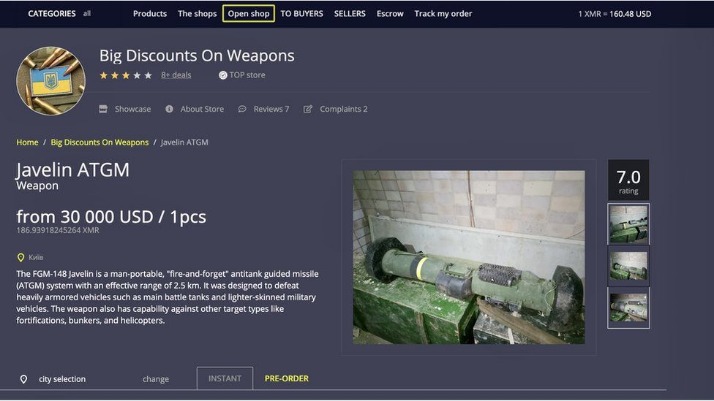
What’s the difference between classic marketplaces and data stores? BidenCash’s rapid rise and focus on financial data make it a significant concern for cybersecurity professionals. Some dark web marketplaces even host content that’s not just illegal but extremely harmful, so it’s really important to understand the risks before diving in. The first category includes classic marketplaces, which serve as one-stop shops for a wide range of illegal goods.