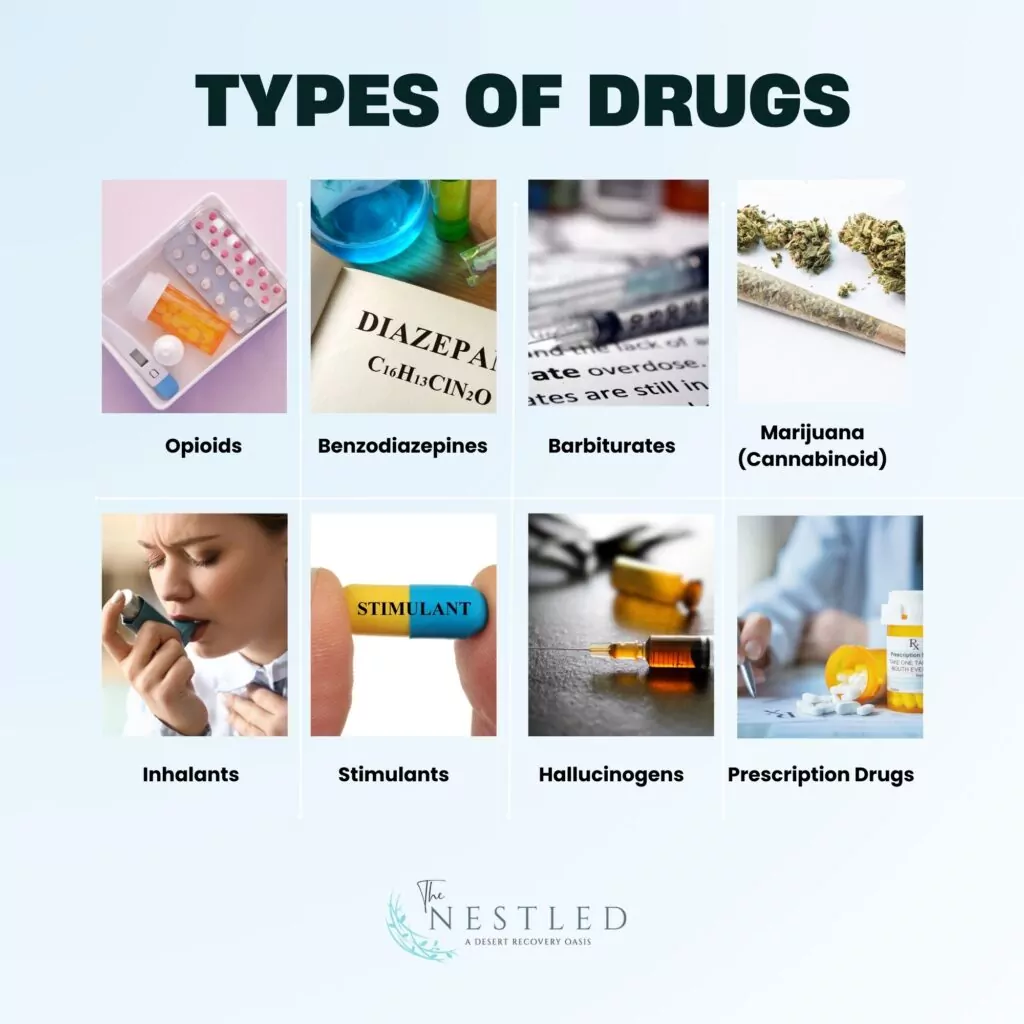
The web-based Drug market patterns and trends contains the latest analysis of global, regional and subregional estimates of and trends in drug demand and supply in a user-friendly, interactive format supported by graphs, infographics and maps. This can be attributed to a growing senior population, increased healthcare costs, an increase in chronic disease cases, and government attempts to encourage the use of generics. The number of branded pharmaceuticals whose patents are about to expire is steadily increasing, creating enormous potential opportunities in the drug market. The indoor segment is expected to be the leader because the infectious diseases category led the generic medicines business, and it is likely to continue in the coming years. Because chronic diseases are so common, the government and many pharmaceutical companies are expanding their R&D spending to find novel compounds and improve existing technology.
FUTURE TRENDS
The introduction of value-added generics, which offer additional benefits such as improved formulations or delivery systems, is gaining traction, providing further growth opportunities for the generic segment. As healthcare systems worldwide strive to optimize costs and extend coverage, the role of generics in meeting these objectives will likely become more pronounced. This affordability has made generics a popular choice among consumers and healthcare providers, contributing to their expanding market share. The introduction of new branded drugs, particularly for complex and chronic conditions, continuously drives the market forward. As a result, the adoption of omni-channel strategies is expected to be a key driver of growth in the retail drug store segment.
Pharmacy Trends – 2025 And Beyond
On the other hand, over-the-counter drugs are capturing a significant portion of the market due to their accessibility and convenience. Pharmaceutical companies are investing heavily in R&D to introduce advanced therapies that cater to unmet medical needs, thus driving segment growth. With the rise of chronic diseases and an aging population, the demand for prescription medications is anticipated to remain high.
“Obesity drug patients continue to report eating healthier foods, spending less on groceries or cutting back on restaurant expenses. That could have impacts for the packaged food and beverage industries, restaurants and grocery stores, and while the resulting weight loss could be a boon for apparel companies. In Brazil and India, for example, adoption has been fast despite the fact that most patients cover the costs of medication themselves. “We anticipate manufacturers’ focus on Asia's obesity market will grow, particularly in China and Japan, where penetration is low and innovation continues to emerge,” says Morgan Stanley Equity Analyst Thibault Boutherin. That number could rise to 30 million in 2035, or about 20% to 25% of the obese population, a potential market of $80 billion.
Data-driven adherence tools and tech-enabled medication synchronization are further amplifying refill persistence, reinforcing predictable demand for the generic drugs market. Emerging markets are echoing this model with streamlined pathways, creating a global ripple that continuously enlarges the generic drugs market. In this environment, generic drugs are not just a market-based alternative but a critical policy tool for cost containment.1 Governments, public payers, and private insurers actively promote the use of generics to manage budgets and ensure the long-term sustainability of their healthcare systems.5 This top-down pressure creates a powerful and consistent demand driver, as policies are increasingly designed to favor generic substitution wherever clinically appropriate.
- The number of branded pharmaceuticals whose patents are about to expire is steadily increasing, creating enormous potential opportunities in the drug market.
- The pharmaceutical drug market consists of sales of generic drugs, over-the-counter medications, bulk drugs, vaccines, biosimilars, and biologics.
- In FY 2025, artificial intelligence (AI) is projected to boost 30% of new drug discoveries, reduce costs, and accelerate the development of personalized treatments.
- The global generic drug market is not a monolithic entity but a complex mosaic of distinct regional and national markets, each shaped by its own unique regulatory frameworks, reimbursement systems, competitive dynamics, and cultural attitudes.
Latest Data
Drug markets are not homogenous and differ considerably across different regions, cultures, and substance classes. This suggests a much more intricate array of factors that can account for the ongoing development in North America . However, countries like Germany have similarly high rates of opioid prescriptions and yet, are not experiencing a shift from heroin to fentanyl, nor are they experiencing an increase in overdose deaths. Extremely high levels of prescription opioid use in the early 2000’s have contributed to the crisis . Drug market dynamics and the current trajectory towards ultrapotent opioids need to be recognised by legislation, enforcement, and the health care system to prepare effective responses. The dynamic of drug import and local production is less clear and influenced by a multitude of factors like precursor availability, know-how, infrastructure, and the success of local drug enforcement strategies.
India already supplies 20% of the world’s finished-dose generics and 60% of vaccines, while China is scaling bioreactor capacity for monoclonal antibody biosimilars. Asia is the fastest-growing territory with an 8.19% forecast CAGR. Supply-chain resilience has become a policy focus, and the European Commission evaluates incentives for onshoring critical generic production. Manufacturers adept at patent-litigation analytics can preload product and capture first-year market shares above 35% for newly unblocked molecules. The Federal Trade Commission campaign against “junk patents” threatens to accelerate generic entry for 20 high-value brands, potentially adding USD 5-7 billion in annual U.S. generic revenue by 2027. Recent state legislation mandating e-prescription use bolsters digital channel uptake, while regulatory clarifications on telehealth prescribing post-COVID-19 elevate mail-order volumes.
The Prescription Drugs (Pharmacies) market in worldwide is experiencing significant growth and development due to various factors. It helps generic companies by tracking drug patent expiration dates, monitoring patent litigation, identifying first-to-file opportunities, and analyzing the R&D pipelines of competitors. An authorized generic is a generic version of a branded drug that is marketed by the brand-name company itself or with its permission. What are the biggest challenges for generic companies in emerging markets? AI is poised to accelerate and improve the efficiency of generic drug development.
The market is growing due to rising demand for affordable medication and increasing patent expiration of branded drugs. The leading component segment is the prescription drugs segment. Known for his analytical acumen and strategic insight, Vipul has successfully partnered with pharmaceutical companies to enhance operational efficiency, cross broader expansion, and navigate the complexities of distribution in markets with high revenue potential.
Generic Drugs Market Overview
In addition, the rising launch of brand-equivalent biosimilar drugs nationwide will further limit market growth. Moreover, the rising approval of these drugs increases the presence of these drugs across the country, further driving the market growth. The demand for drugs through prescription is increasing across the country owing to rising chronic disease prevalence among the population. Thus, the U.S. patient population is now emphasizing the use of potent and cost-effective generic products compared to brand drugs for their existing clinical conditions.
North America Dominated The Pharmaceutical Market
Meanwhile, niche opportunities in drug-device combination products and ophthalmology biosimilars are opening supplementary revenue streams, enriching the competitive mosaic of the generic drugs market. The generic drugs market size for biosimilars in oncology alone is projected to surpass USD 25 billion by 2029, underscoring the strategic imperative to scale analytical comparability platforms. Simple molecules dominated revenue in 2024, contributing 62.50% of generic drugs market share owing to well-established synthesis protocols and abbreviated regulatory filings. The resultant shift toward complex biologics is recalibrating revenue structures within the generic drugs market.
Key Takeaways
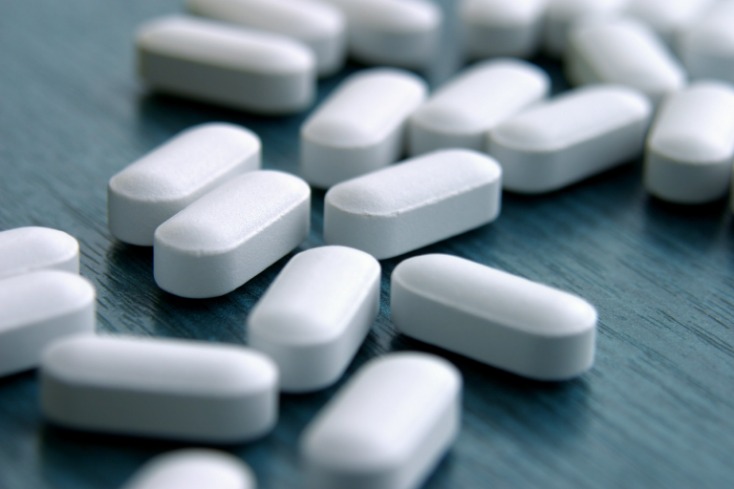
They are widely available in urban and rural areas, making it easier for consumers to obtain essential drugs quickly. Additionally, advancements in manufacturing technologies, improved stability of injectable formulations, and growing adoption in hospitals and clinics are driving market growth, making injections a high-growth route of administration. These factors collectively make oral administration the dominant segment in the market.
Increased investment in R&D and a significant rise in clinical trials bolster the growth of the market in the region. This is mainly due to the increased prevalence of chronic disease, high demand for personalized medicine, an aging population, and the adoption of automation in drug discovery. North America dominated the global market by capturing the largest share of 42% in 2024.
These factors are expected to increase the patient pool globally, thereby driving the pharmaceutical drug market during the forecast period. In this region, there is a rapidly rising portion of the geriatric population that is demanding healthcare services and pharmaceutical medications, especially in countries like Saudi Arabia, which is going to rise in demand for drugs to treat age-related disorders. The UK possesses strong R&D areas with expertise contributing to the development of novel drugs and therapies, generating impressive approaches for pharmaceutical companies. Recently, breakthroughs in technologies of drug delivery systems, including AI-powered and automated, are significantly impacting, along with the raised demand for specific drugs in oncology and autoimmune sectors, are propelling the growth of the market. In the US, branded drugs hold the largest revenue share of the market, whereas generic drugs are predicted to grow fastest in the upcoming years. North America held the largest share of the drugs market which resulting in its dominance in the market in 2024.
Generic Drugs Vs Brand Name Drugs
According to the Africa Economic Institute, the value of illicit drug smuggling in Guinea-Bissau is almost twice the value of the country's GDP. It concluded "the cost of crime committed to support illegal cocaine and heroin habits amounts to £16 billion a year in the UK" In Colombia, drug violence can be caused by factors such as the economy, poor governments, and no authority within law enforcement.
The convergence of immense opportunity from the patent cliff, disruptive technological innovation, and profound shifts in the global regulatory and geopolitical landscape will create a more complex, competitive, and dynamic industry than ever before. This involves proactively providing clear, transparent, and convincing data to healthcare professionals, supporting them in their conversations with patients, and ultimately building “trust equivalence” to complement the scientifically demonstrated bioequivalence. For manufacturers of complex generics and biosimilars, commercialization strategies must therefore include a robust educational component. This highlights that regulatory approval alone is not sufficient to guarantee market success. ” after switching to a product that eliminated her out-of-pocket costs.133 Many patients transition to a biosimilar seamlessly, experiencing the same therapeutic benefit at a lower cost, which can be life-changing.132 For example, Jeni, a patient with pancolitis, stated, “A biosimilar gave me my life back!