Known as the Henry B. Young Building, it was built in 1861 but was heavily altered in the 20th century, including the removal of the top floor, and today it bears little resemblance to the building from the first photo. The building is now owned by the Newport Historical Society and operated as the Museum of Newport History, where it stands amid modern shopping plazas. By the early 20th century the Brick Market was in poor condition, but it was restored in the 1920s by Norman Isham, an architectural historian and professor who specialized in preserving colonial-era buildings in Rhode Island.
Table Of Contents For Brick Industry Report
The largest category in this regard is jumbo bricks, designed to achieve larger coverage per unit. Modular bricks are heavily used in extensive work where time and cost-to-benefit ratios matter the most. The dimensions of these bricks measure 3⅝ inches high, 2¾ inches deep, and 7⅝ inches long. The size is uniform, thus ensuring consistency in building that helps in efficient building practices. Bricks are thus placed as a requisite in the global construction arena with the continual rise in urbanization amid growing concern for sustainability.
Breaking Down The Brick Market: LEGO Parts Vs LEGO Sets Vs LEGO Minifigures – What Do The People Want?
The expanding construction sector is also driving the demand. The growing housing initiatives are increasing the use of bricks in the UK. The industries are therefore developing sustainable and modern bricks, which are supported by government initiatives. Additionally, stringent building regulations promoting durability and thermal insulation contribute to increased brick usage. They are also focusing on the development of eco-friendly bricks.
Brick Street Market
Consequently, bricks find applications in the residential, commercial, and industrial building sectors. Therefore, jumbo bricks have a utility where fast construction progress and superior aesthetics are required in building purposes—like high-rise buildings or large commercial complexes. Because of the size of these bricks, it gives greater speed in installation and helps complete timely construction without any compromise on the quality of construction. From residential houses to big commercial buildings, these bricks have proven to strike a balance between ease of use and inferring the structural need. Governments and developers press towards energy-efficient construction methods and, therefore, increase demand for bricks with higher insulation and lower carbon emission.
Global Brick Market Trends And Insights
The robust nature of bricks makes them well-suited for heavy-duty applications, contributing to the resilience and longevity of infrastructure projects globally. A prevailing trend in this segment involves the increasing preference for durable and cost-effective materials, positioning bricks as a fundamental choice for infrastructure development. Architects and builders are increasingly incorporating innovative brick designs and eco-friendly materials to meet the demand for aesthetically pleasing yet environmentally conscious residential structures. A notable trend in the modular bricks market is the increasing preference for these standardized units, driven by their versatility in various construction applications.
Red Bricks Market – Global Strategic Business Report
Fly-ash bricks utilize industrial waste and cut firing energy, aligning with green-building codes and helping meet aggressive emissions-reduction targets. Scandinavia’s public-procurement policies stipulate embodied-carbon ceilings, channeling orders toward calcium-silicate or unfired concrete bricks. Canada’s colder climate sustains demand for high-thermal-mass clay units in residential retrofits to cut heating loads. Public-sector rental programs in Europe and Asia formalize quotas for low-carbon bricks, cushioning residential volume dips elsewhere.
In effect, these bricks easily become favored in sustainable construction methods, hence serving to achieve the global goal of low ecological footprint. What is more, increasing advanced building technologies and construction methods are likely to further augment the growth of the market in due consideration. Such integration would maintain not only the functionality of bricks but also help the cause toward broader trends leading to smart infrastructure and practices in sustainable construction. The fluctuation in the cost and availability of clay and shale as raw materials is expected to impact the cost of production of bricks. New zones require numerous new constructions where urbanization demands renewal and redevelopment with increasing bricks application in these areas.
Thought On “Brick Market, Newport, Rhode Island”
Bricks are now available in unique forms, sizes, and textures, allowing architects to explore creative possibilities in modern construction. The absence of innovative approaches in material composition, energy efficiency, and sustainable practices may make bricks less attractive to architects, builders, and developers seeking modern, eco-friendly solutions. Beyond their structural utility, bricks also contribute to aesthetic appeal, with different colors, textures, and finishes available. Bricks come in various types, including common bricks for general use, firebricks for high-temperature applications, and specialized bricks with specific characteristics. Upon completion, the building consisted of an open-air market on the ground floor, similar to other contemporary New England marketplaces such as Faneuil Hall, while upper floors were used for offices and dry goods storage. You can also grab these buses 8, 26, 35, 43, 47, 48, 67, 78, 149 and 242 that pass the market.
- Clay bricks, sand lime bricks, fly-ash clay bricks, and many such specialized variants fulfill various conditions of the environment and architectural needs.
- It’s also home to famous food markets, independent boutiques, and historic landmarks that reflect the area’s rich multicultural past — from Huguenot chapels to Bangladeshi mosques.
- The industries are therefore developing sustainable and modern bricks, which are supported by government initiatives.
- Brick Market Foundation Board of Directors, “Nine Lives of the Brick Market.” (in file with correspondence about the HVAC system in Brick Market); Newport Daily News, January 27, 1992, “New Brick market to house city’s past” by Mary T. Harrington.
- Direct sales dominate the distribution method, representing a market size of $1.57 billion, projected to grow to $2.91 billion by 2033.
Eastern Europe builds capacity to serve domestic and German markets facing material tightness. Europe trails in growth but leads innovation as the CBAM exposes carbon-intensive imports and rewards local low-carbon pioneers. Producers deploy tunnel kilns with waste-heat recovery to meet provincial emission caps and reduce coal dependence, safeguarding supply resiliency during demand spikes. Asia-Pacific generated 48% of 2024 global sales and is projected to grow 3.44% annually to 2030, buoyed by record urban migration and transport megaprojects.
Brick By Segment

The market is primarily segregated into Europe, Latin America, Asia Pacific, North America and Middle East & Africa. Frequent fee swings also create economic uncertainty, that may deter new entrants and investments inside the market. Green building certifications and guidelines are pushing the enterprise in the direction of more sustainable practices, that could improve power performance and decrease environmental effect. By integrating current technologies and addressing evolving market needs, those improvements force expanded adoption and stimulate a boom inside the market. This fashion is anticipated to keep, supported by means of authority’s guidelines and investments geared toward modernizing and increasing urban infrastructure. In residential production, the surge is fueled by way of urbanization and the need for less costly housing, especially in emerging economies like India and China.
The brick market supports massive warehouse floors that demand durable, thermally stable walls to moderate interior climates in tropical South America. Clay bricks dominated the brick market with 65% of revenue in 2024, yet fly-ash bricks record a 3.22% CAGR through 2030, widening their presence in regions tightening carbon rules. Europe’s 90% emissions-cut target for 2040 is reshaping the brick market, accelerating the adoption of fly-ash and calcium-silicate bricks with smaller carbon footprints.
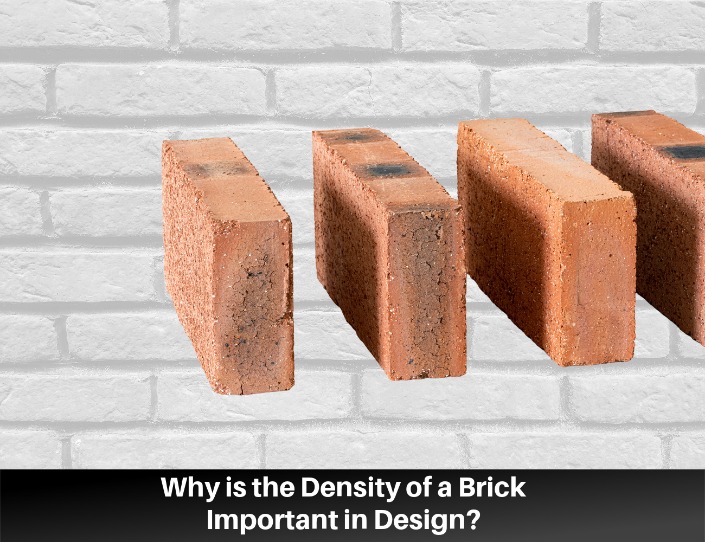
For each segment, the market sizing and forecasts have been done on revenue (USD million). Brick is a type of block used for building walls, pavements and other elements in masonry and building construction. Intellectual-property ownership in char-based thin bricks and 3D-printable fly-ash mortar positions start-ups for licensing or joint ventures with incumbents needing rapid ESG upgrades. The continent imported over 500 million bricks in 2022, generating 288,190 tonnes of CO₂, prompting calls for onshoring greener capacity. Fly-ash bricks gain traction among designers chasing LEED points, while thin-brick panels speed up urban multifamily builds. North America is experiencing growth in market value, driven by pending interest-rate cuts that are unlocking stalled projects.
Infrastructure renewal and urban renewal in developed economies sustain the demand for high-quality bricks, which must strictly meet regulatory standards. Digital and automation tools allowing innovations in brick design and construction methods are going to revolutionize this sector, improving efficiency and precision in building projects. This enduring eminence has developed due to certain features intrinsic to bricks—features of strength, wide applicability, and aesthetic appeal that make them an important necessity in most building projects. The Global Brick Market comprises an integral segment of the value chain of the construction materials industry; it lies at the confluence of classic artisanship and modern engineering. Furthermore, the report presents national and regional assessments, considering the dominant forces of supply and demand that influence market growth. "Asia pacific dominance stems High construction demand, urbanization, and cost-effective materials."
Increasing government expenditure for reconstruction & repair of infrastructureis expected to drive the market. The increased severity of COVID-19 infection encouraged governments to impose nationwide lockdowns, which created a shortage of workers and raw materials, hindering the production of bricks. Additionally, bricks are used as an alternative to stones for construction purposes.
- Additionally, the area's relatively low labor prices and ample availability of uncooked substances guide the production and affordability of those building materials.
- By integrating current technologies and addressing evolving market needs, those improvements force expanded adoption and stimulate a boom inside the market.
- Therefore, jumbo bricks have a utility where fast construction progress and superior aesthetics are required in building purposes—like high-rise buildings or large commercial complexes.
- They are also focusing on the development of eco-friendly bricks.
- Canada’s colder climate sustains demand for high-thermal-mass clay units in residential retrofits to cut heating loads.
These main application areas for bricks are complemented by several other small-scoped usages in various industries. The parterre application puts forth the decorative aspect of bricks, hence influencing architectural and landscaping trends. Whether in gardens or parks, or even in urbanwalkways, bricks provide a hardwearing surface for pedestrian traffic. The other major application of bricks is in the formation of paths and pavements. This application is vital in both the urban and rural areas where bricks are most preferred due to their strength and thermal insulation.
European makers in the brick industry confront escalating compliance costs as the EU Emissions Trading System expands and the Carbon Border Adjustment Mechanism phases in during 2026–2030. Heidelberg Materials reports AI-guided batching systems that trim cement use by 20%, a benefit passed along to the brick industry dedicated to modular packages. Modular builders require lightweight, high-strength hollow bricks that integrate with panelized frames. Concrete bricks that bypass firing processes can save 2.4 tonnes of CO₂ per house and become net absorbers over their lifecycle.