Clear, deep, and dark web monitoring are crucial for companies in today’s cybersecurity environment. Keeping your personal information private, along with other information you want to keep hidden. These are rather common examples but, there are several things that malicious actors could be doing with your data. There’s countless sources that cybersecurity teams need to monitor and scan in order to get the full view of your digital footprint.
Users can also unwittingly download adware or spyware, which can gather data and display unwanted advertisements. Phishing attacks are prevalent, where users are tricked into revealing personal information or login credentials. Firstly, ensure that your computer is equipped with reputable antivirus and anti-malware software to detect and remove any potential threats. Look for reputable VPN services and consider using additional privacy tools like encrypted messaging apps. Accessing and participating in these activities can result in criminal charges, fines, and even imprisonment.
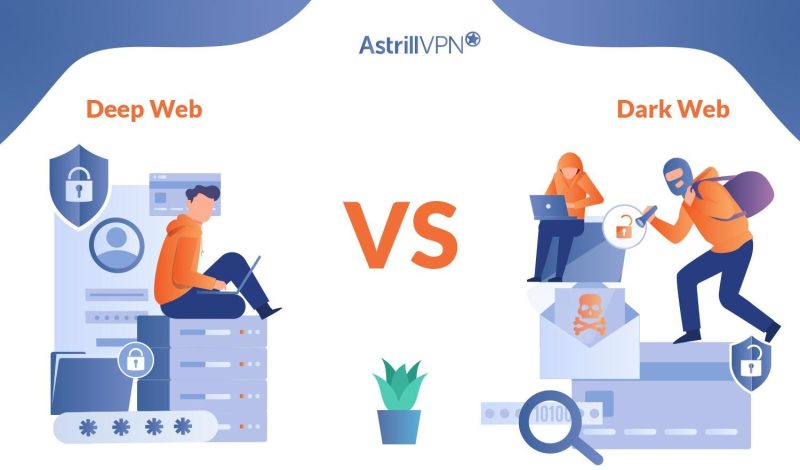
Just because a page cannot be accessed by search engines doesn’t mean it’s trying to promote illicit activity. It covers a range of content that is not accessible by web search engines like Google, Safari, or DuckDuckGo. The deep web is the part of the internet you can’t access through search engines like Google and Bing. Moreover, the deep web is not completely hidden and is a part of WWW (World Wide Web), whereas the dark web is completely hidden and cannot be accessed by any normal search engines.
What Types Of Content Exist On The Deep Web?
The search engine crawlers do the same work as done by the explorer submarines. Ultimately, the responsibility lies with individuals to govern their online conduct wisely. Not all dark web activity is malicious or illegal. The dark web, a subset of the deep web, carries more notoriety than its counterparts. The deep web is a vast expanse filled with a plethora of content that ranges from innocuous to highly sensitive.
What Are Uses Of The Surface, Deep And Dark Web?
The content is generally more secure and clean than that of the surface web. All web pages not indexed by web crawlers are considered to be a part of the deep web. Some people use the terms ‘dark web’ and ‘deep web’ interchangeably; however, significant portions of the deep web are completely legal and safe to use. If the surface web is the visible part of an iceberg above water, the deep web is the part submerged beneath – much larger but hidden from plain view. However, cybersecurity organizations could benefit from indirect participation in discussions regarding hacking and exploit trading that regularly takes place on the dark web. Today, this is no longer true–advanced encryption technologies have made the anonymization of web surfing a hassle-free affair for regular users.
Restricted Content
To protect yourself from government monitoring on the dark web, it is crucial to take certain precautions. As such, it is essential to assess the potential risks before delving into the dark web to ensure adequate cybersecurity measures are in place. Hackers and criminals often lurk on the dark web, targeting unsuspecting visitors with malware and scams. Exploring the dark web can expose users to the risk of identity theft, financial fraud, and privacy breaches.
Thus, the deep web is a significant part of various disciplines containing sensitive information that helps with academic and professional activities. The deep web contains private networks used by business organizations, governmental departments, and educational institutions. It is estimated that about 96% of the internet is part of the deep web, while the surface web makes up only 4%. This very well-known territory hides a lot more – a giant called the deep web and an even smaller part called the dark web.
Since the Dark Web is hosted on a darknet, its history is linked to the development of encrypted and peer-to-peer networks that run on top of the Internet. Cybercriminals take advantage of the privacy and anonymity that the Dark Web provides for a variety of purposes. This is the primary reason why the US NRL developed the TOR technology used by most Dark Web visitors. The Deep Web contains all the web sites that web crawlers cannot index. Law enforcement agencies don’t pay much attention to the Gray Web, so users don’t feel the need to be anonymous. This makes Dark Web sites a rich source of threat intelligence for organizations; however, the design of the Dark Web can make this information difficult to find.
MORE ON SECURITY
Visiting the dark web, though, is different than accessing the deep web. You can find dark web search engines, with one of the most popular being the Uncensored Hidden Wiki. You might also have questions about accessing the dark web, as well as questions about safety. Hackers use the dark web for illegal activities that could implicate you and expose your information if you stumble across the wrong site. And contrary to what you may think, the dark web offers several sites that aren’t connected with illegal activity. However, these sites are only accessible through certain web browsers.
Misconception 6: “Law Enforcement Can’t Do Anything On The Dark Web”
The darknet is a network, and the deep web constitutes the chunk of the World Wide Web that is beyond the reach of the search engines. So, only the concerned people have the access. Such networks, not accessible by other people, can be encrypted or password protected. In this case, two familiar people communicate with each other directly over the internet.
- The deep web is mainly safe, especially if it’s trustable websites with firewalls and encryption.
- Law enforcement officials can also set up traps to capture criminals engaged in illegal transactions.
- Securing this data prevents it from being compromised and possibly showing up for sale on the dark web.
- For instance, companies may use private online databases that are unavailable to the public and can only be accessed by their employees.
- Therefore, this content is inaccessible to most online users, and it is difficult to track the visitors of such websites.
- Since the Dark Web is a collection of websites that are only accessible via darknets, let’s take a moment to define what darknets are.
What Is The Best Dark Web VPN?
The internet plays host to many other services, such as streaming video, FTP (file transfer protocol), email, etc. Learn how UpGuard helps companies proactively monitor the deep web for data leaks. Most of our usage of the "private" internet is through authenticated portions of the deep web. Since then, the Silk Road has reappeared and been shut down again, but has never become as popular.Monitoring the dark web for illegal activity is something that law enforcementagencies all over the world are grappling with.
Is It Safe And Legal To Access The Dark Web?
While we don’t recommend you access the dark web, if you do decide to, make sure you take all the steps above to keep your data safe from cybercriminals. Multi-Factor Authentication (MFA) is an extra layer of security you can enable on your accounts. We recommend using a password manager to aid you in generating, managing and securely storing all your passwords, passkeys and data. This kind of criminal activity does not take place on the deep web because it’s illegal.
The shadow web is allegedly an even deeper layer of the internet than the dark web. You also need an exact web address or authentic URL dark web directory. You can only access it with a special browser like Tor.
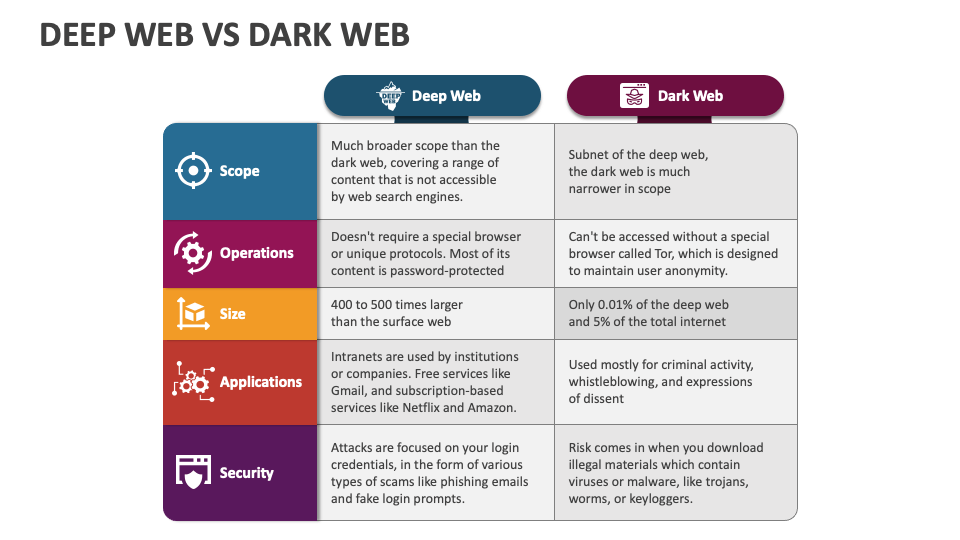
Still, according to investigations by the world’s best cybersecurity researchers and hackers, this shadow web is just a rumor. This is very inaccurate, as the deep web refers to non-indexed pages, while the dark web refers to pages which are both non-indexed and involved in illegal niches. A common way to access dark web sites is to install Tor browser.
- Although the Dark Web is often used for illegal activities, it’s not illegal to access it in many countries.
- The deep web refers to all internet content not indexed by standard search engines like Google or Bing.
- Examples of Deep Web content include online banking portals, academic journals, and subscription services.
- See how modern security teams turn scattered risk signals into measurable improvements across their supply chain, workforce, and external risk posture.
The Dark Web is a hidden portion of the internet that can only be accessed through specialized software like Tor or I2P. The Deep Web makes up the majority of the internet, far surpassing the size of the Surface Web, which includes all publicly accessible websites. While the surface web is easily accessible through Google or other search engines, the Deep Web includes any content that requires special access. However, even in places where it is technically illegal, there isn’t much the authorities can do to stop people from accessing it. The Deep Web includes any online content that isn’t searchable through traditional search engines like Google or Bing. A few websites claim shadow web is a deeper layer of the internet that hosts heinous criminal activities.
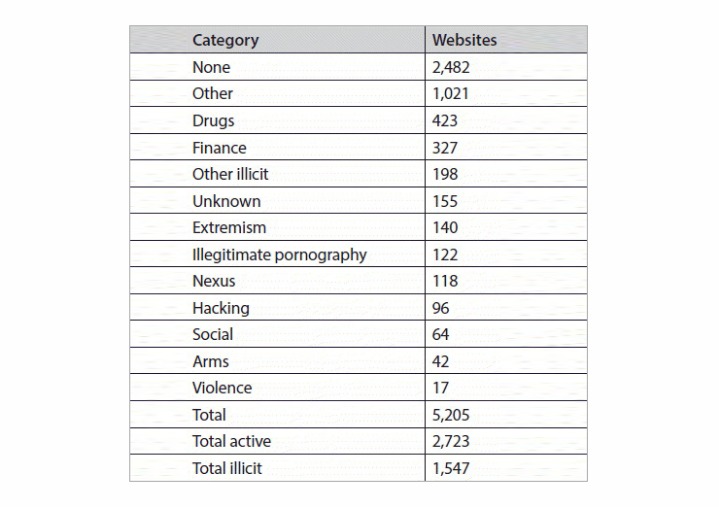
It consists of private, secure, often password-protected, content requiring credentials or special access. While there are legitimate uses, much of the content hosted there involves illegal activity, including drug trafficking, illicit imagery, and the sale of stolen data. For example, in 2016, investigative news outlet ProPublica launched a hidden version of its website on the dark web to provide a secure and anonymous way for readers to access its content. Although Tor and similar tools offer another layer of protection, the dark web’s lack of regulation and hotbed of illegal activity can expose users to scams, malware, and other hidden threats. Surface web search engines do not index these sites, so you need the right tools to navigate safely and anonymously.
Differences Between The Deep Web And The Dark Web
Famous illegal marketplaces like the Silk Road are hosted on the Darknet. These networks use the infrastructure of the Internet for communications, but access to them is restricted. These include peer-to-peer and privacy-focused networks and can only be accessed using special tools like the TOR browser. The Onion Router (TOR) technology used by the TOR browser and the Dark Web was created by a project funded by the US Naval Research Lab (NRL).
Digital Risk Protection Threat Intelligence Dark Web Monitoring Cybersecurity Platforms Security Tools There’s also a risk of being monitored by state actors or cybercriminals who leverage de-anonymization techniques to identify users. Moreover, the anonymity that protects users can also be a double-edged sword. In contrast, accessing the Dark Web comes with significantly higher risks due to its nature as an anonymous network.