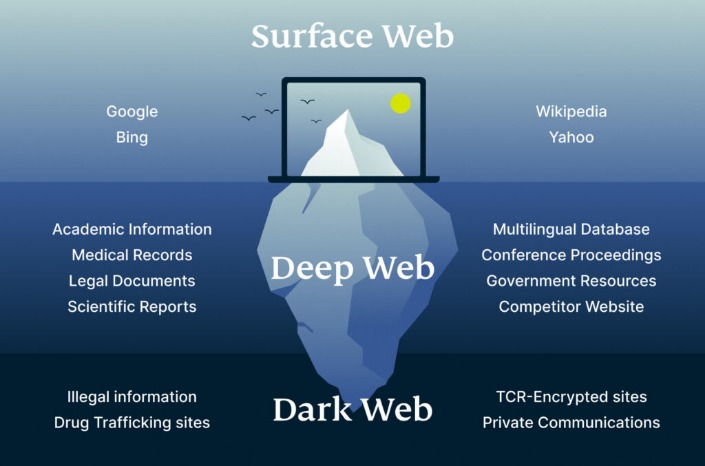
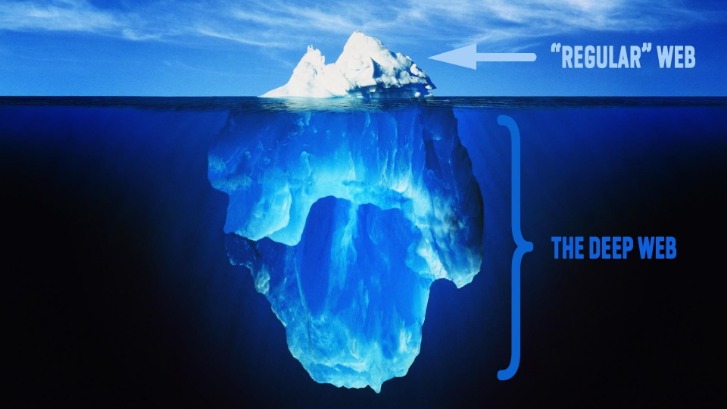
These sites are a hybrid tutorial-underground where wannabe hackers ask questions and professionals sell their services or stolen data. With the onion browser, you can access ordinary HTTPS websites on the web. This network of over 6,000 relays hides your location, thus protecting you from online surveillance and third-party tracking by your websites. As noted by Andy Greenberg at Wired, while the deep web makes up approximately 90% of the internet, the dark web makes up only around 0.1% and is designed to provide anonymity for users and site owners. The deep web is content that search engines such as Google do not index.
Another essential security feature is that all incoming and outgoing data from the app is encrypted, including any private and public keys involved. For example, you can find information unavailable to the public and share data privately while protecting your online identity. Tor and I2P are the two commonly used tools for accessing the dark web to provide anonymity. Other sites explicitly block search engines from identifying them.
Comparing The Deep Web Vs Dark Web: What Are The Major Differences?
On the software end, the use of Tor and other anonymized browsers is not strictly illegal. Others may act in ways that are illegal for the protection and safety of others. But of course, these benefits can be easily extended to those that want to act outside of the constraints of laws in other explicitly illegal ways. As such, the dark web has attracted many parties who would otherwise be endangered by revealing their identities online.
Remote Desktop Protocol (RDP) is an essential tool for IT professionals and system administrators ma… Have you ever wondered what is APT and why it’s such a major concern in the world of cybersecu… Now you know how to enter deep web safely, the key differences between deep web vs dark web, and which best deep web browsers to use.
Dark Web Telegram Groups Cybersecurity Teams Should Monitor
Sometimes all you need are credentials like a login or other access privileges. Additional steps depend on what type of Deep Web content you’re looking for. You can access most of the Deep Web using the same browser you use for the Surface Web. ”, the search results page returns Internet locations (i.e. webpages) that contain those words. It often requires a login (such as a username and password) or special software to access.
Deep Web: Unveiling The Hidden Layers Of The Internet
- If you have set up multifactor authentication on your email address, you’ll need to verify from your other device that it is you trying to log in.
- You can also search Google Books, which contains extra information you won’t find in Google.
- The level of safety is not the same, and the ways one can access these two webs also differ.
- The area of the internet we access daily is known as the clear or surface web.
- Aimed at giving users a better understanding of government service, it’s a valuable resource for citizens seeking government-related information.
- These big companies rely heavily on the depth of the deep web to make this business model worth their while.
It provides greater privacy and secure access to sensitive data but faces criticism for reducing openness and enabling illicit activity. Instead, fee-for-service sites give access to premium productivity tools only to those who can afford them. The deepest critique of the deep web is its challenge to internet openness and equality. The deep web uses encryption to enhance privacy, keeping content exclusive to paying customers. Much of the content on the deep web would not be available at all if only the surface web existed. However, it also includes the latest TV shows, databases that are essential for managing your personal finances, and stories that are censored on the surface web.
Deep Web Vs Dark Web: Clearing Up The Confusion
Examples include software as a service (SaaS) solutions, paid news websites, and streaming services. Interestingly, even Facebook can be accessed as a Tor-hidden service, allowing users in countries with no legal access to its platform to visit the website safely. The average monthly traffic received by the deep web is 50% more than surface websites. However, the deep web can also host illegal content such as pirated media. Unlike the dark web, which majorly hosts content that is illegal or otherwise restricted in nature, the deep web hosts a wide range of material.
- That means you decide whether you want any search engine bot to crawl your webpage.
- The Tor Browser uses several layers of encryption to strengthen your anonymity and has integrated the DuckDuckGo search engine, a system that makes a point of not saving or logging your search queries.
- Articles about illegal drugs and weapons obviously draw more readers than those detailing the technical challenges of harvesting data from the deep Web.
- The U.S. Army developed “onion routing” to protect intelligence communications online.
- A study by researchers at King’s College London that examined the contents of over 2,700 darknet sites found that approximately 60% of them hosted illicit content.
WorldCat – Deep Web Database For Libraries
Deep Web sites include private databases, restricted content, and other sources of in-depth information about companies and their operations. It could, however, be illegal to misuse or steal information found on deep websites. Simply accessing sites that are not indexed or otherwise publicly available is not illegal. In order to access these search engines and sites, it is necessary to use specific browsers, such as the Tor Browser. Many dark websites can be reached by specialized search engines designed for that purpose, but not by standard search engines. The deep web refers to parts of the Internet not accessible through standard search engines like Google.
Other Ways To Access Dark Web Platforms
The terms deep web and dark web are sometimes used interchangeably, but they are not the same. Fee-for-service sites like Netflix are also not crawled by the bots. If you’re ready to turn visibility into action, SAGA by Munit.io offers powerful capabilities to explore, monitor, and secure your organization’s presence across the Deep Web and beyond. To sum it up, understanding what the Deep Web is has become essential for anyone responsible for digital security. Whether they are dealing with insider threats or exposed credentials, security teams that understand what happens in the Deep Web gain the ability to respond proactively.
That makes it part of the deep web rather than the surface web. They also include financial transactions made on major sites like PayPal. Private databases can be as simple as a few photos shared between friends on Dropbox. Customers must pay a fee, create a user id, and set up a password to get most of the material offered by these sites.
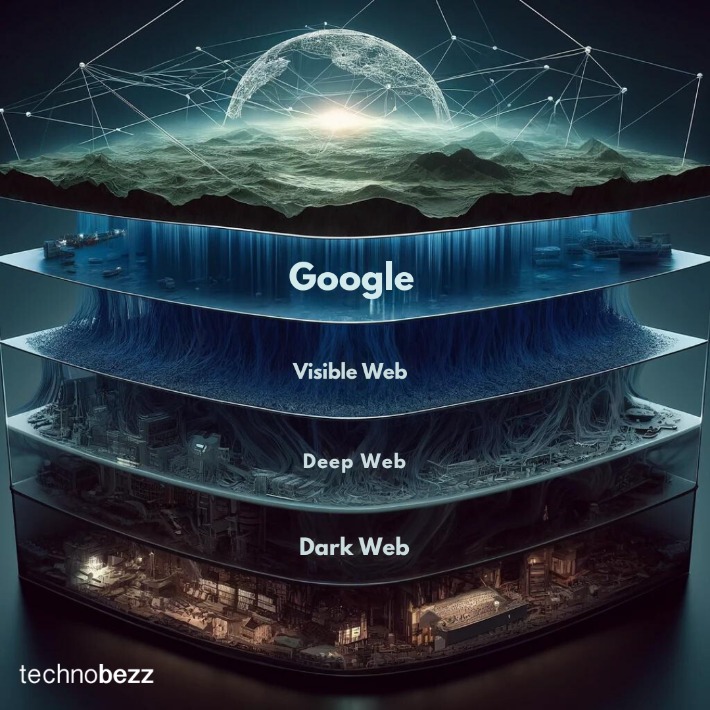
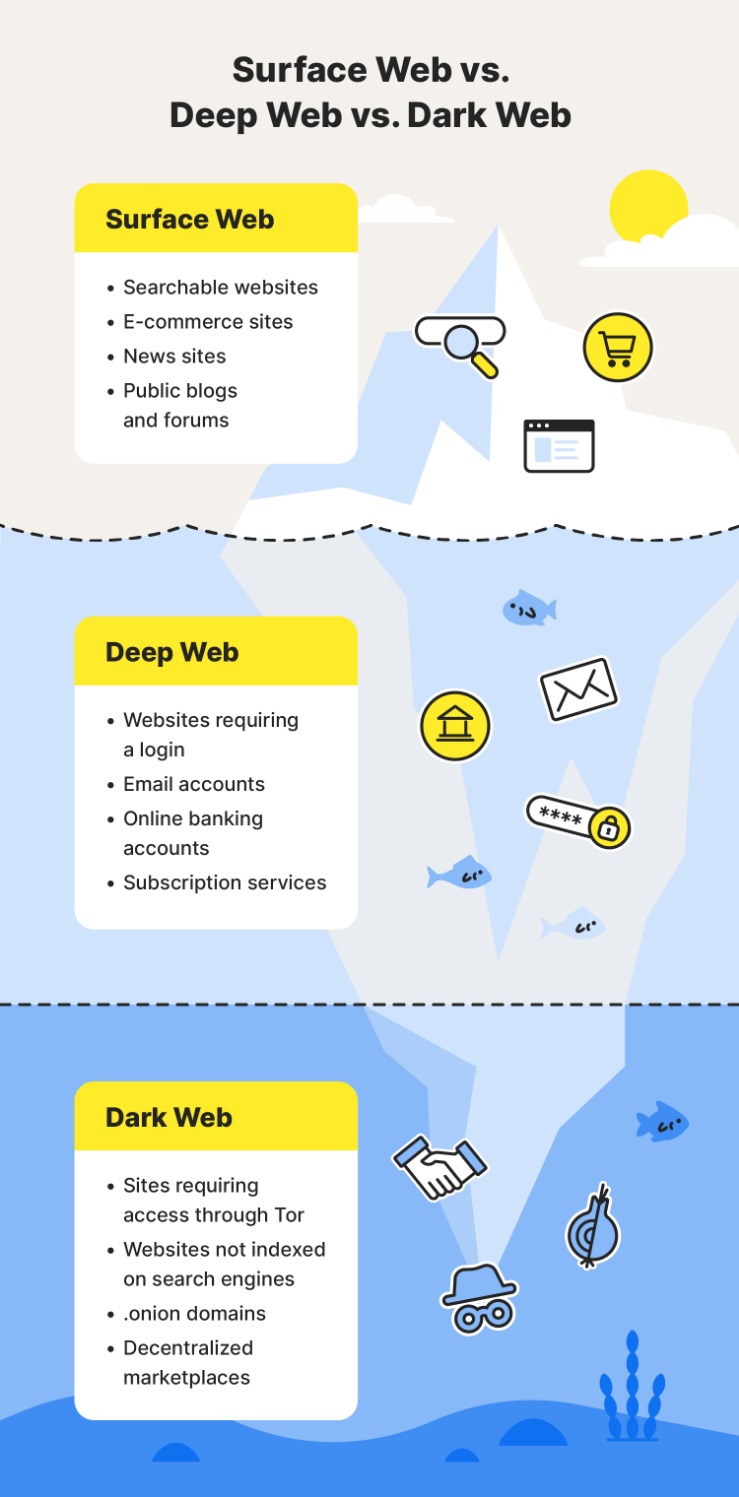
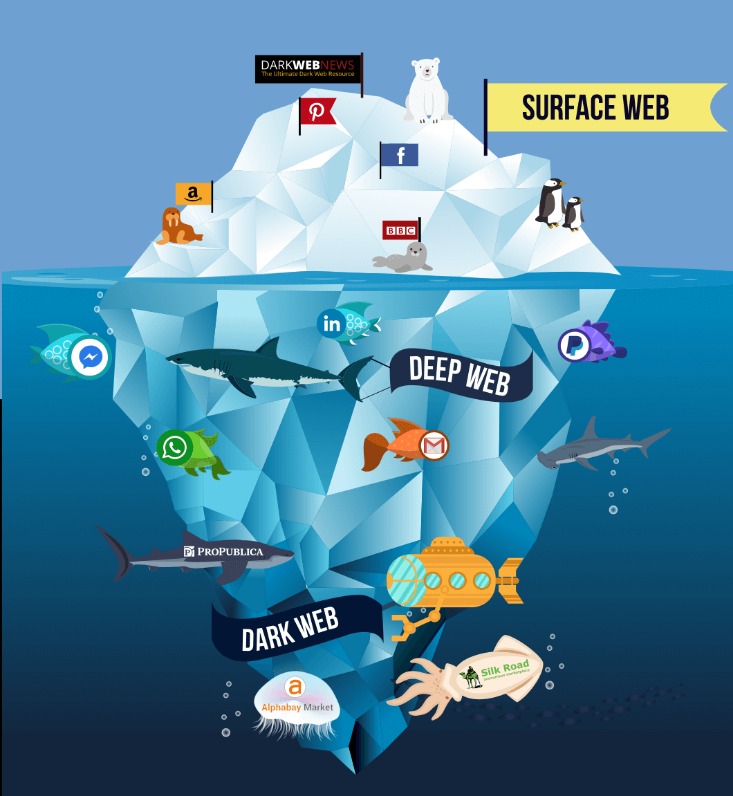
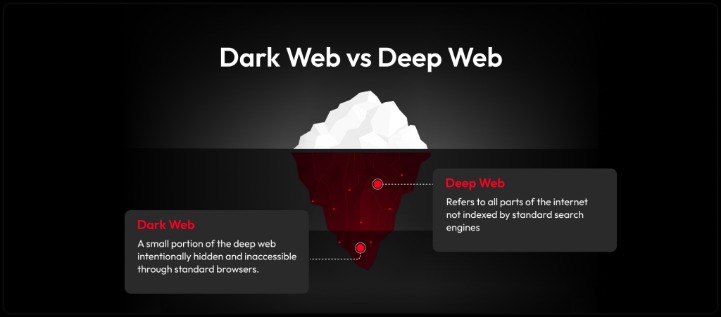
Logging into Gmail or LinkedIn, or signing in to the Wall Street Journal are just a few examples of accessing data on a deep web site. Accessing content on the deep web is relatively safe, and most internet users do it all the time. Although the deep web's information isn't indexed by regular search engines, it can often still be accessed. While the deep web is full of legal and legitimate content like paywalled publications, databases and academic journals and research, the dark web is much more disreputable. The dark web is a segment of the larger deep web and similarly refers to anything on the internet that is not indexed by and, therefore, accessible via a search engine like Google.
Think password-protected websites, subscription services, banking portals, and even the private contents of your email inbox. Tor (“The Onion Routing” project) network browser provides users access to visit websites with the “. The reputation of the dark web has often been linked to criminal intent or illegal content, and "trading" sites where users can purchase illicit goods or services. The dark web is a hidden part of the internet not indexed by regular search engines, accessed through specialized browsers like Tor. The surface web is the most popular and accessible part of the Internet, involving all websites indexed through traditional search engines like Google and Bing. The deep web refers to all that is accessible on the internet that is not indexed with those typical search engines.
The Deep Web
Well-known organizations like Facebook and DuckDuckGo have Web sites on the Dark Web. For in-depth insight on these research strategies, read this guide, as used by Bitsight analysts, to help enhance your threat intelligence program. Depending on the nature of your threat investigation, your best approach may be to combine several strategies in order to broaden your search. The deep and dark web is a treasure-trove of information on threat actor activity, however making use of this resource to protect your organization can be (to the uninitiated), challenging. But in many cases, finding the exact URLs through manual search methods can be next to impossible.
Disadvantages Of Deep Web
Alexandros Ntoulas, Petros Zerfos, and Junghoo Cho of UCLA created a hidden-Web crawler that automatically generated meaningful queries to issue against search forms. This technique is ideal for discovering content on the surface web but is often ineffective at finding deep web content. While it is not always possible to discover directly a specific web server's content so that it may be indexed, a site potentially can be accessed indirectly (due to computer vulnerabilities). It would be a site that's possibly reasonably designed, but they didn't bother to register it with any of the search engines. Those criminal activities include the commerce of personal passwords, false identity documents, drugs, murders, torture, rape pornography, firearms, and child pornography.
Pixel Privacy believes in digital privacy and does not believe in using it for heinous and/or illegal activities, and so the focus of this article will be on legal activities. So, even though it does exist on the internet, Google doesn’t index any of these pages or content. Google considers the majority of the content on the entire web highly irrelevant and useless to its users. That means that Google wants to minimize the amount of time users spend searching for certain queries. Did you know that Google only shows you a glimpse of all the websites that actually exist? This should go without saying, as the whole point of the deep web is anonymity, but you’d be surprised how many people accidentally expose their identity in this way.