Now you’re ready to explore .onion sites safely. Now equipped with an overview of these essential dark web search engines, you’re ready to conduct your own searches confidently and securely. With that in mind, let’s explore some of the most reliable dark web search engines available today to get you started. Furthermore, .onion websites are constantly changing locations, disappearing, or popping up in new forms, adding to the challenge.
Free The Internet
By design, dark web sites aren’t indexed by Google they live on the Tor network or similar anonymity networks and require the Tor Browser to access. We try our best to filter out onion sites that container CP and other extremly illegal activities. Most internet users want to use the dark web safely, but it’s still important to be careful when using any onion browser. However, there’s a chance you may run into illegal activity on all but the best onion sites. Viruses, ransomware, and other types of malware are more common on onion sites than on the normal internet.
These typically come with ".onion" after them, rather than something like ".com" as on the standard web. Cybersecurity has to also cover everything physically on your computer too—which law enforcement or government authorities might have the right to seize if they come calling. Bear in mind too, that your internet provider will be able to see you connecting to Tor nodes, even if it doesn't know exactly what you're doing. Even with Tor and onion routing in place though, you're not suddenly completely invisible and free to do whatever you want, without repercussions. It blocks trackers, prevents user fingerprinting, encrypts data, and reroutes your browsing so no one can see where in the world you are. Tor is a browser engineered for extra security and privacy, and can be used to navigate the normal, surface web as well as the dark web.
Can You Access The Dark Web Using DuckDuckGo?
- In an era where online privacy is increasingly under threat, users are turning to robust tools to protect their personal data and browsing activities.
- This technique works by grouping the window sizes of most users into a series of common "buckets", protecting individual users within those buckets from being singled-out based on their window or screen size.
- Visiting the links from specific questions may be a bit safer.
- This is because law enforcement often actively monitors these sites.
- Though they have their limitations, most of the time you’ll see irrelevant or spammy links for your search results.
From a defense standpoint, many companies now invest in dark web monitoring services. Even directories can become outdated or compromised, so ensure you have the genuine DarkWebLinks site check multiple sources for the onion URL. DarkWebLinks explicitly avoids listing things like child porn and tries to flag scam sites some directories even maintain a scam list of sites to avoid. A directory like this stays current with the latest working sites. If you’ve heard of the Hidden Wiki, DarkWebLinks is in the same vein basically a list of onion links organized by category Markets, Forums, Email providers, etc..
As such, we do not recommend using Tor if you want to do data-intensive activities like streaming in HD, gaming, torrenting, or making video calls. This way, you can protect yourself from websites that want to steal your login details or cryptocurrency. Some users also share links on encrypted apps like Telegram or Keybase that you can check.
Step 5: Find Verified Onion Links
- However, one of the less obscene discussion sites is Raddle, named and styled somewhat in the style of Reddit.
- Accessing this hidden part of the web often involves navigating .onion links, which can only be accessed through the Tor browser.
- For the record, there are more scam sites for every genuine one, and it’s good to have a discussion forum about this.
- The .onion domain is a special-use top-level domain that can only be accessed through the Tor network.
- It was initially created to provide additional security and eliminate cryptocurrency theft.
Despite Tor’s privacy-focused design, malicious entities are more likely to target your data in transit and on .onion sites. Also referred to as “non-indexed” content, it’s any content hidden behind some kind of access control such as a log-in or code word. You can’t access these .onion sites from your normal web browser like the one you’re probably viewing this page on. Unlike Ahmia and Haystak, however, DuckDuckGo doesn’t search .onion sites. This focus on privacy makes it the Tor Browser’s default search engine and one of the best onion search engines. Torch is one of the oldest and most popular onion search engines on the dark web, serving over 80,000 requests per day.
How Do I Verify An Onion Link Is Safe?
The site is strongly resistant to hackers and encrypts your data in transit as well as the rest. To contribute a tip, join the community, which can be done anonymously through an approved onion link. Among many open-source whistleblower sites, SecureDrop is currently a leading platform. One genuine exception is a site called Keybase, which helps you securely share files and chat online.
How Dangerous Is It To Click On Random Onion Links?
However, you should not see it as an opportunity to engage in illegal activities to avoid trouble with authorities. Also, try its services risk-free with the 30-day money-back guarantee. It will route your traffic through multiple servers instead of one, making tracking your data and activities even harder.
How Do I Open Onion Links?
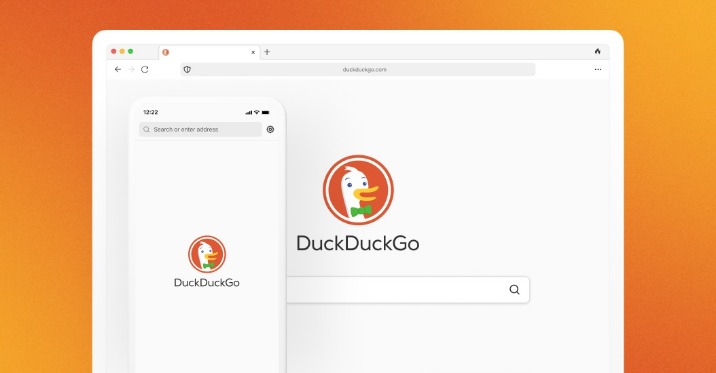
If maximum anonymity is your goal, you might avoid using search engines that need JavaScript. DuckDuckGo’s results are safe in the sense that they won’t include outright illegal onion links; they focus on normal web content. Below we’ve compiled the best dark web search engines that emphasize safer access.
Can You Be Traced On Tor?
The US Naval Research Laboratory developed The Onion Routing (Tor) project in the late 90s. For example, you can find information unavailable to the public and share data privately while protecting your online identity. Tor and I2P are the two commonly used tools for accessing the dark web to provide anonymity. As a result, you cannot find them with a regular search engine. Also, you must log in or have a specific IP address or URL to access the deep web content.
This makes it an attractive option for those looking to maintain a level of anonymity while browsing the internet. Since then, it has become synonymous with privacy and anonymity on the internet. When you browse a website ending in .onion, you are effectively accessing the Dark Web. How can I easily add my own custom search provider with the DDG .onion url to Firefox?
For example, it has a reputation for hosting pedophile sites. Even without monitoring your browsing activities, DuckDuckGo will offer decent answers to your questions. However, remember you must use the Tor browser to access them. You can choose the best darknet (.onion) website that suits you and start surfing.
To confirm that your Tor-compatible search engine is set up correctly, test it by performing a search in Firefox. By configuring Firefox to use DuckDuckGo’s .onion version, for instance, you prevent tracking and increase anonymity while browsing on a familiar, user-friendly interface. Mozilla Firefox, known for its strong privacy features and customizability, can be configured to route searches through a Tor-compatible search engine. Letterboxing was introduced in Tor Browser 9.0 to allow users to resize their browser window without fear of being fingerprinted by rounding the inner content window (sometimes referred to as the "viewport") down to multiples of 200 x 100 pixels.
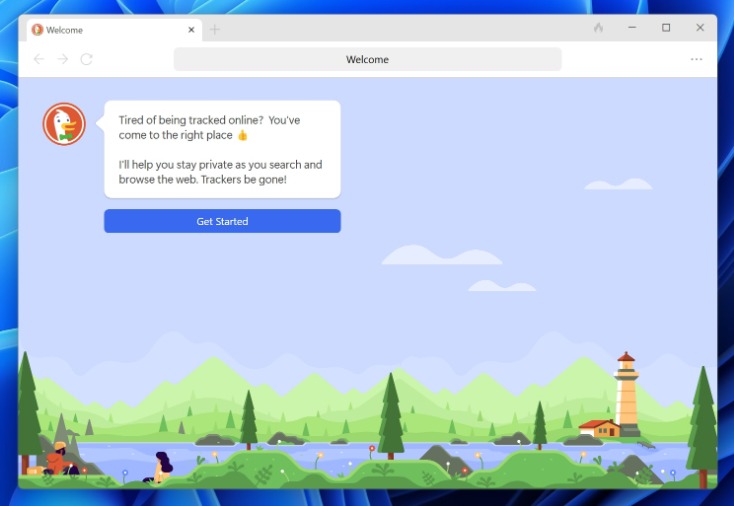
Websites can still collect data on your visits, and your ISP can monitor the sites you access unless you’re using additional tools like a VPN or the Tor network. However, this does little to stop external tracking from search engines, websites, or ISPs. On other search engines and sites, it’s pretty common for personal information to be linked with searches. Unlike mainstream search engines, DuckDuckGo does not track, store, or share personal data.